
LA Times features unelected bureaucrat bragging that tire bans are ‘sheltering the public from higher costs’ –
Your car may not be fuel efficient, but your tires have to be now
– “This is a time where there’s great economic pressure on a lot of working people across the… pic.twitter.com/kbCh2ER7Id
— Marc Morano (@ClimateDepot) August 18, 2026
LA Times: “In terms of carbon dioxide emissions and air pollution, the rule will be the equivalent of taking 400,000 cars off the road each year.”
- California approved the nation’s first efficiency standard for replacement car tires, forcing new sets sold in the state to match the low rolling resistance of original equipment by 2033.
- State energy officials say modestly higher upfront tire costs — about $26 more per set — will be outweighed by fuel savings, cutting drivers’ expenses and emissions equivalent to 400,000 cars annually.
- The unanimous rule follows decades of delays and intense lobbying, with regulators easing rules for long-life and wet-grip tires as major manufacturers split over cost, enforcement and consumer choice.
#
California really seems to care about its citizens! Always thinking of ways to save them money!
California’s new tire efficiency rules could save drivers $1B a year –
The nation’s first tire efficiency standards target an overlooked drag on fuel economy that can cost drivers… pic.twitter.com/ov40TEwlGe
— Marc Morano (@ClimateDepot) August 18, 2026
California today became the first state in the nation to create rules limiting the kind of replacement tires people can buy for their car, pushing energy efficiency.
We were the only TV crew (maybe only news org) in the room when the California Energy Commission voted on this. pic.twitter.com/XJk4ciqely
— Ashley Zavala (@ZavalaA) August 18, 2026
The California Energy Commission dusted off a 20+ year old bill to pass new rules restricting tire sales in the state.
The CEC has not regulated tires before.
I asked Commissioner (former State Sen) Nancy Skinner if she pushed it & why this sat dormant until now. pic.twitter.com/Th8zpvHTtl
— Ashley Zavala (@ZavalaA) August 18, 2026
This part 👇
Appliances are regulated so hard, they die after 5 years. Now tires will need replaced every 10,000 miles. The energy required to constantly manufacture and recycle hyper accelerated lifespan goods is admirable for the environmentalists. pic.twitter.com/Z0Z1MlpRqd
— Wally Peters IV (@WallyPetersIV) August 18, 2026
California regulators pass rules limiting what replacement tires drivers can purchase
The Golden State will begin restricting the sale of non-compliant replacement tires in 2029
By Louis Casiano FOXBusiness
The Golden State will begin restricting the sale of non-compliant replacement tires in 2029
California regulators on Monday approved new rules that will restrict which replacement tires can be sold across the state in an effort to meet energy-efficiency standards.
The new regulations, unanimously adopted by the California Energy Commission (CEC), will phase out tires that fail to meet these standards — a move that could restrict a large portion of the tires currently available to drivers.
“This ultimately is about protecting consumers,” said David Hochschild, Chairman of the California Energy Commission, as reported by KCRA-TV. “I see this as sheltering the public from higher costs in the long run.”
Fox News Digital has reached out to several tire manufacturers, including Goodyear, Michelin, and Bridgestone.
The new rules target rolling resistance: the amount of energy it takes for a tire to roll down a road. Lower rolling resistance allows vehicles to consume less gasoline or electricity.
While factory-installed tires on new vehicles typically feature low rolling resistance, drivers often replace them with cheaper, less efficient tires. The new rules aim to ensure that replacement tires maintain energy efficiency levels similar to those of original factory tires.
The first phase of the program begins in 2029, targeting the most inefficient replacement tires on the market. The allowable rolling-resistance threshold drops even further starting in 2033.
According to the CEC, California drivers could save $79 in fuel or electricity costs over four months during Phase 1, and about $153 over seven months during Phase 2. The CEC estimates that Phase 2 rules will add an average of about $6.50 to the cost of each tire, the New York Post reported.
“These regulations are a tool within our authority that can save money for every Californian,” said Commissioner Nancy Skinner.
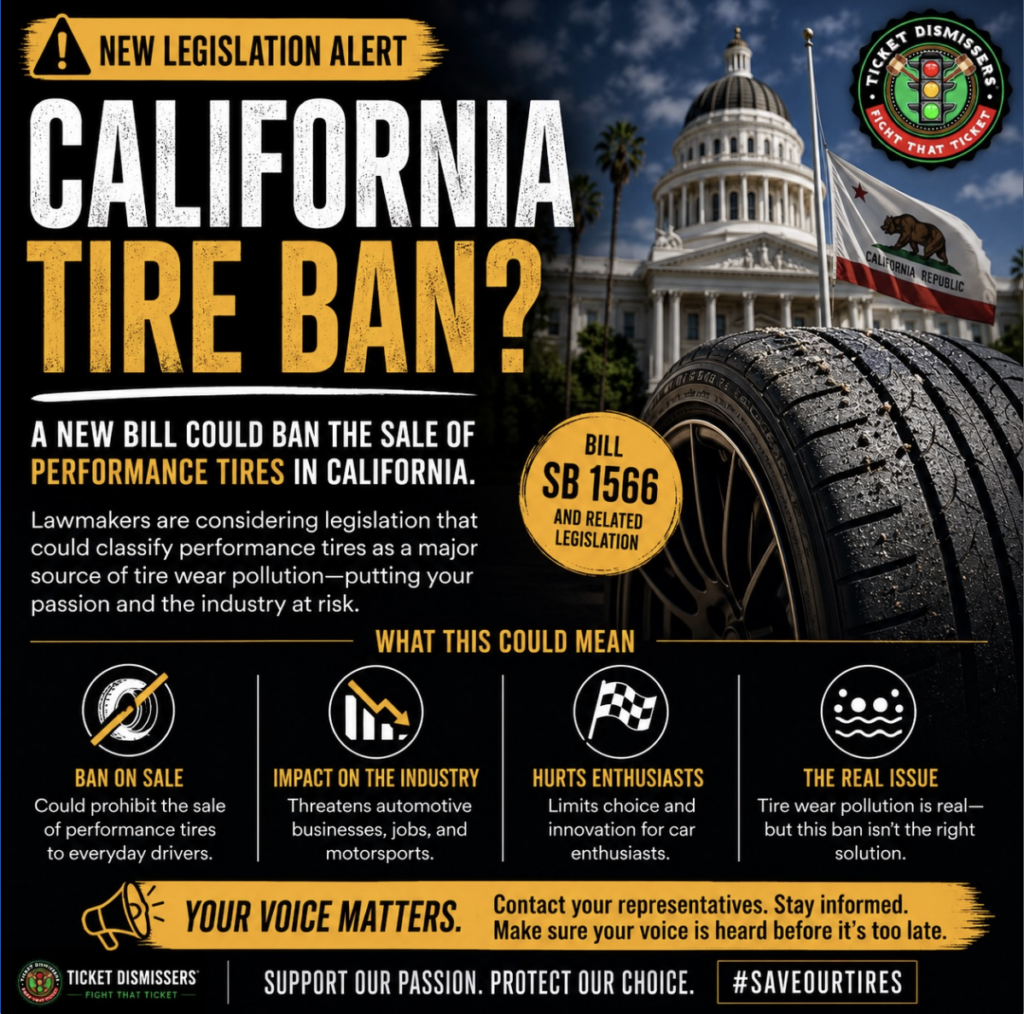
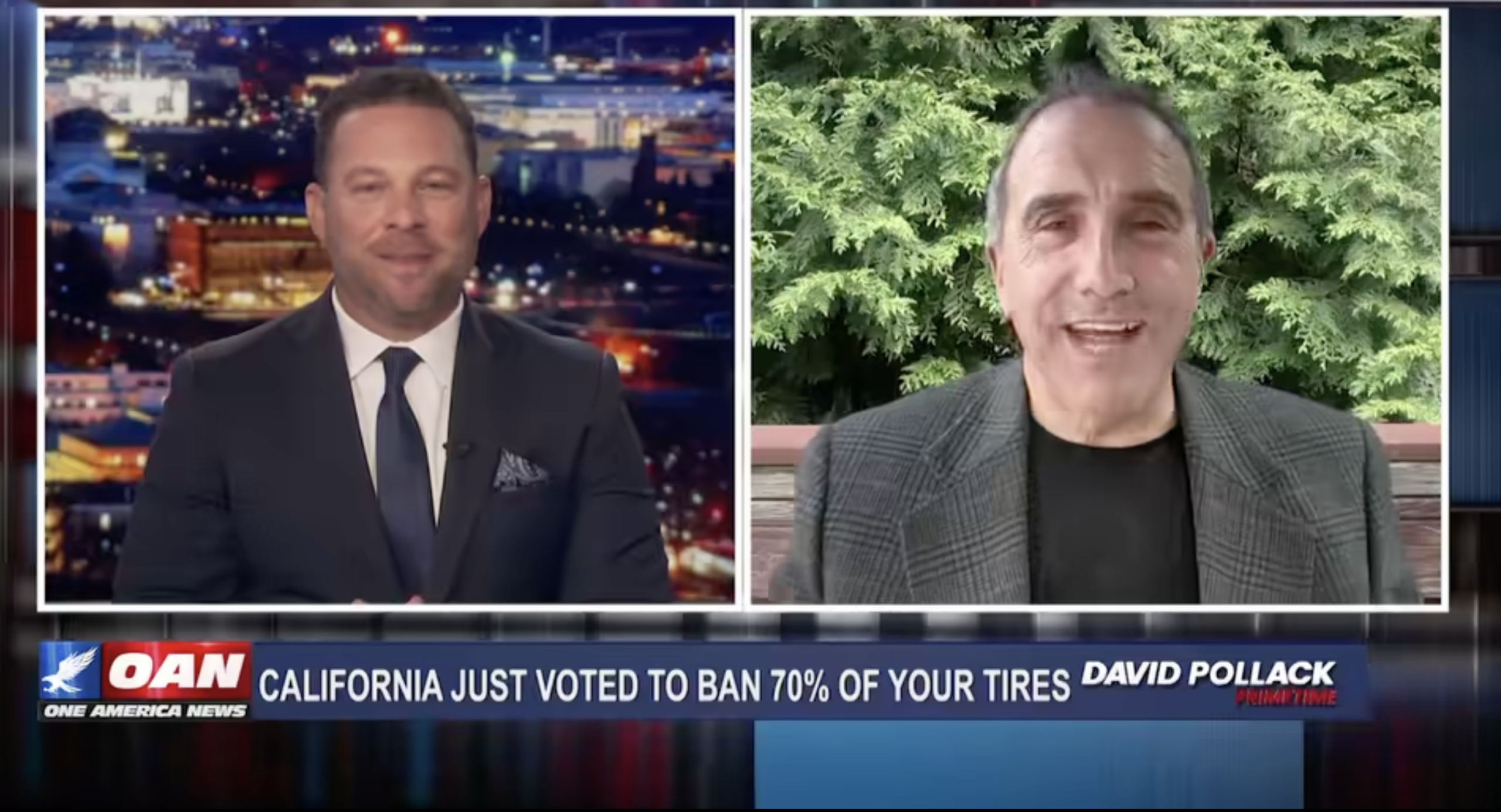
Goodyear voiced concerns over the mandate, arguing that it would pass additional costs onto consumers. Representatives noted that around 70% of tires currently sold in the state would be eliminated by 2033.
If only Californians could drive to another state to buy tires? Oh wait … I guess they’ll add tires to their road trip fireworks, cigarettes, rodent/insecticide, gas, gas can nozzles, and showerhead shopping list.
What else should go on an #OutofStateShoppingList?— Robert 🇺🇸 Freeman 🌠 (@robertrfreeman) August 18, 2026
Right before 5pm today, the California Energy Commission’s spokesperson sent me an email urging me to “consider taking a different tone” w/ my reporting on state’s new tire rules.
Here’s the email and info for you to consider. Note: commissioners haven’t disputed 70% figure. pic.twitter.com/ZOzmNxj6KM
— Ashley Zavala (@ZavalaA) August 19, 2026
Dunlop Tires sends lengthy press release tonight re: new rules around replacement tires in California.
The company urged policy makers to carefully assess the long-term effects on consumer safety, choice, affordability and competition: pic.twitter.com/XEOOD5gA2a
— Ashley Zavala (@ZavalaA) August 19, 2026
California wants to decide what tires you can buy. What could possibly go wrong? – By Lauren Fix – June 29, 2026 –
Excerpt: Why does Sacramento believe it should decide which tires Americans are allowed to buy in the first place? This may sound like a California only project, but I promise the usual suspects will follow; New York, New Jersey, Illinois, Massachusetts and others will follow. …
The first assumption regulators make is that the tire that came on your vehicle from the factory was somehow the best tire available. Anyone who has spent time in the automotive industry knows that’s simply not true. …
Automakers don’t choose tires based solely on fuel economy. They never have.
Vehicle manufacturers work with tire companies years before a vehicle reaches production. Tire selection is a compromise between cost, supplier relationships, ride quality, handling, noise levels, durability, availability, production requirements, fuel-economy targets, and corporate business agreements. Sometimes the factory tire is excellent. Sometimes it’s merely adequate. Sometimes it’s chosen because it helped the manufacturer hit a cost target. …
Consumers discover this every day. That’s why the replacement tire market exists.
The entire purpose of the replacement market is to allow drivers to improve upon the compromises built into the original equipment tire. Some consumers want a quieter ride. Others want longer tread life. Some want better snow traction. Others want improved handling or better wet-weather performance. Many simply want a more affordable option than the tire originally installed at the factory. …
The problem is that regulators are assuming fuel economy is the most important factor for every driver.
It isn’t.
Ask anyone who lives in a snowy climate whether they care more about winter traction or getting home safely during a storm than fuel economy.
Ask a family shopping on a tight budget whether they care more about saving a few dollars on fuel over several years or paying hundreds more upfront for replacement tires. Some brands offer long life tires that will save families money.
Ask a performance-car owner who wants to go to a high performance driving school at a track, whether they bought a Mustang, Corvette, or Porsche because they wanted maximum fuel efficiency.
The answer is obvious. No is that answer. …
Consumers have different priorities because consumers have different lives.
That’s why this debate isn’t really about tires. It’s about who gets to make decisions. Who’s getting paid out not to switch brands or types of tires?
The point is that somebody else made the decision for you.
#
Dunlop Tires North America CEO Darren Thomas on CA's new tire rules:
"Generally when you attempt to regulate something you don't understand or don't care much about, you create bad policy and that's probably what we have here." pic.twitter.com/mk3rOf1xWh
— Ashley Zavala (@ZavalaA) August 25, 2026