Vijay Jayaraj of the CO2 Coalition: Pull back the curtain on the EV supply chain – starting with Indonesian nickel mining and extending through rare-earth mineral processing in China – and there is revealed a far less immaculate picture. The “zero tailpipe emissions” tag is a masterpiece of misdirection, diverting attention away from an environmental hellscape.
In Sulawesi, Indonesia, conveyor belts stretch across once-lush forests belching dust into the air, while smokestacks stain the sky with a toxic haze. The rush to supply the West’s EV appetite has triggered a nickel boom, but the cost lands squarely on the people and ecosystems of Indonesia. So, why single out nickel? Today’s batteries – the heart of EV propulsion – are built on nickel, of which Indonesia is the largest producer. Without Indonesian nickel, the supply chains for “clean” vehicles grind to a halt. …
The battery is only part of the story. The EV’s electric motor, as well as the machinery of giant wind turbines that might charge the battery, require powerful magnets made from rare-earth minerals. And more than 90% of the world’s supply of these processed minerals comes from China. The processing of these minerals has left in its wake an ecological ruin that is glossed over in Western policy debates. … The point is, the “green” agenda is not green.
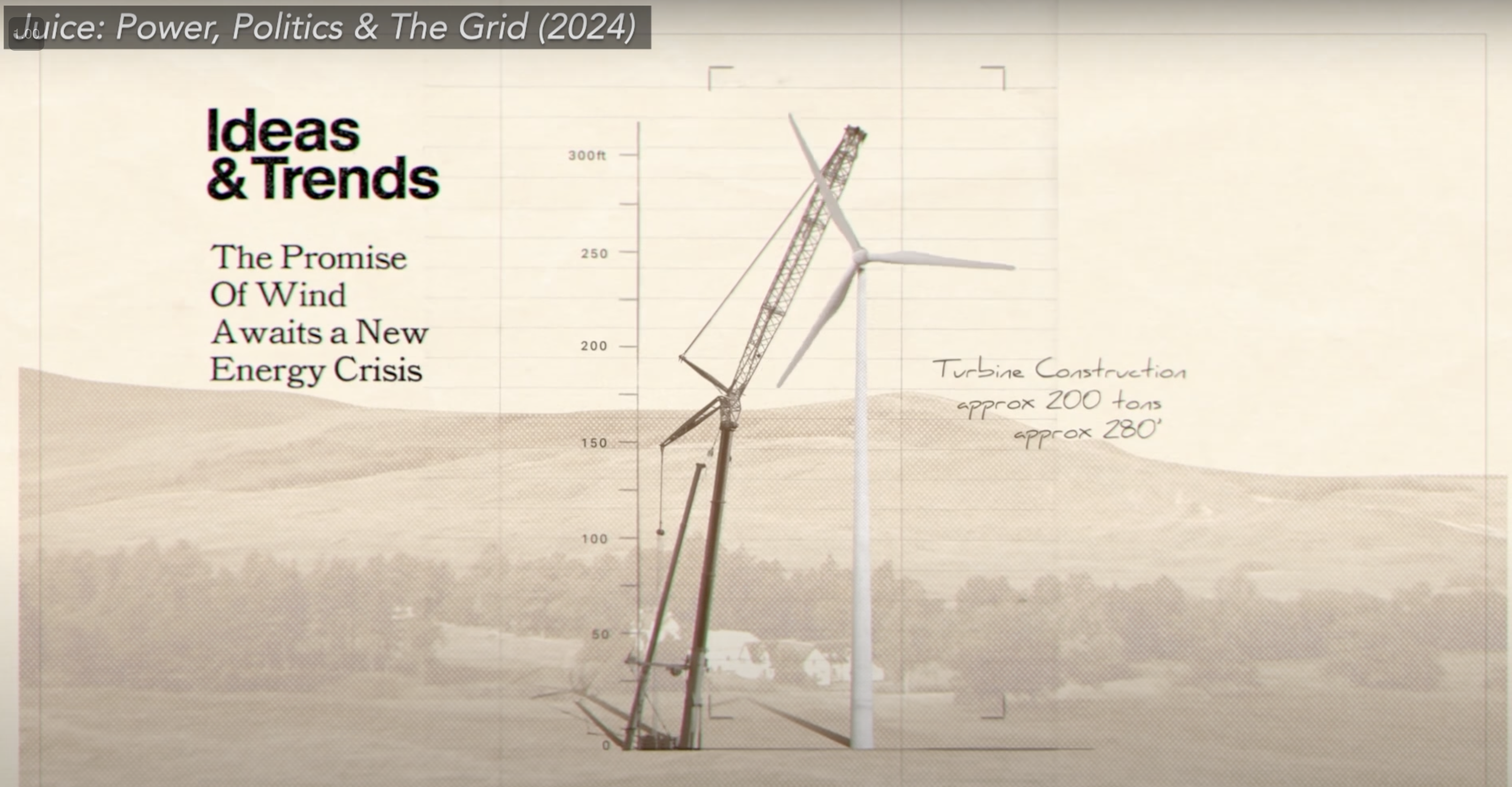
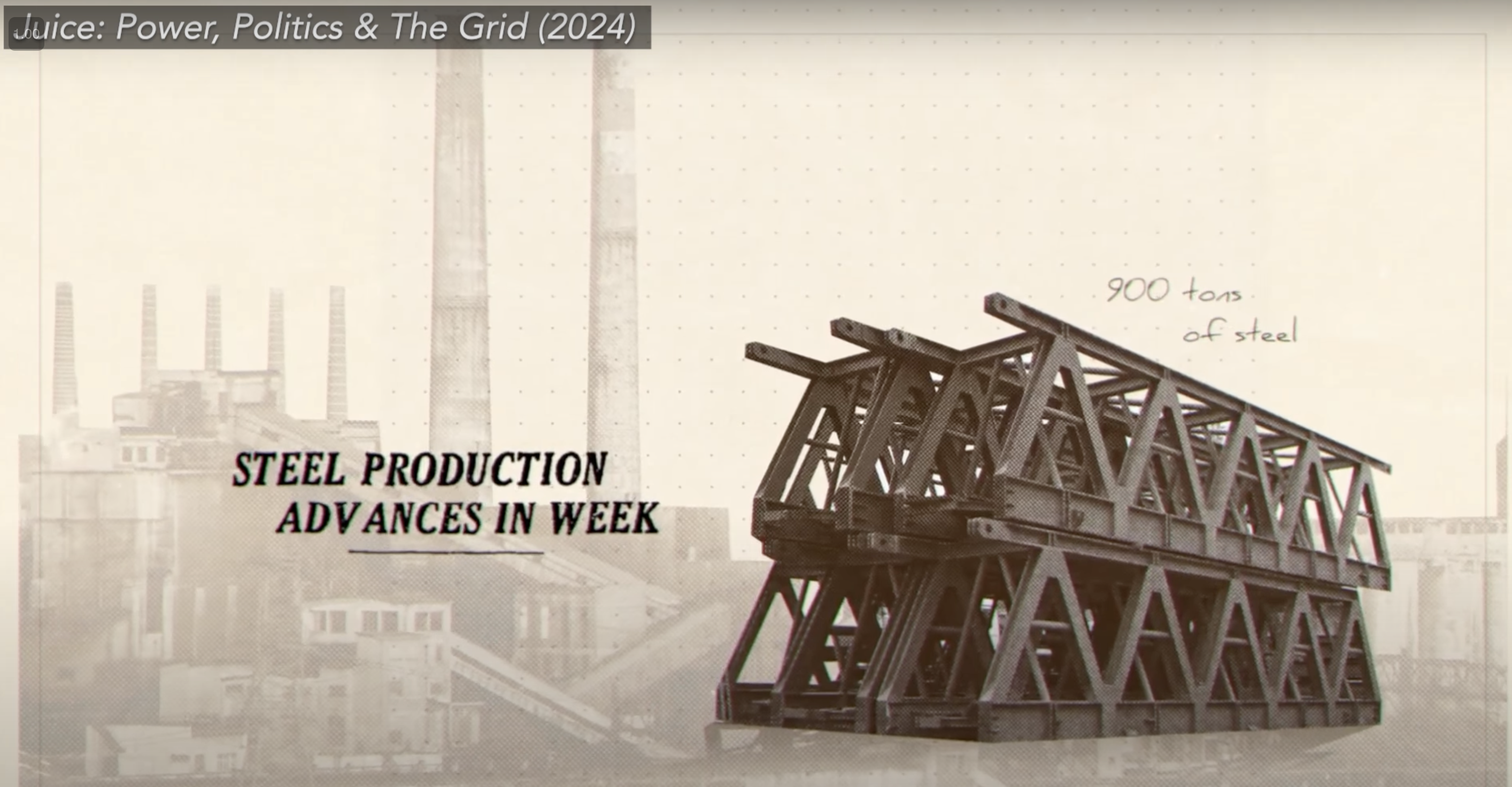
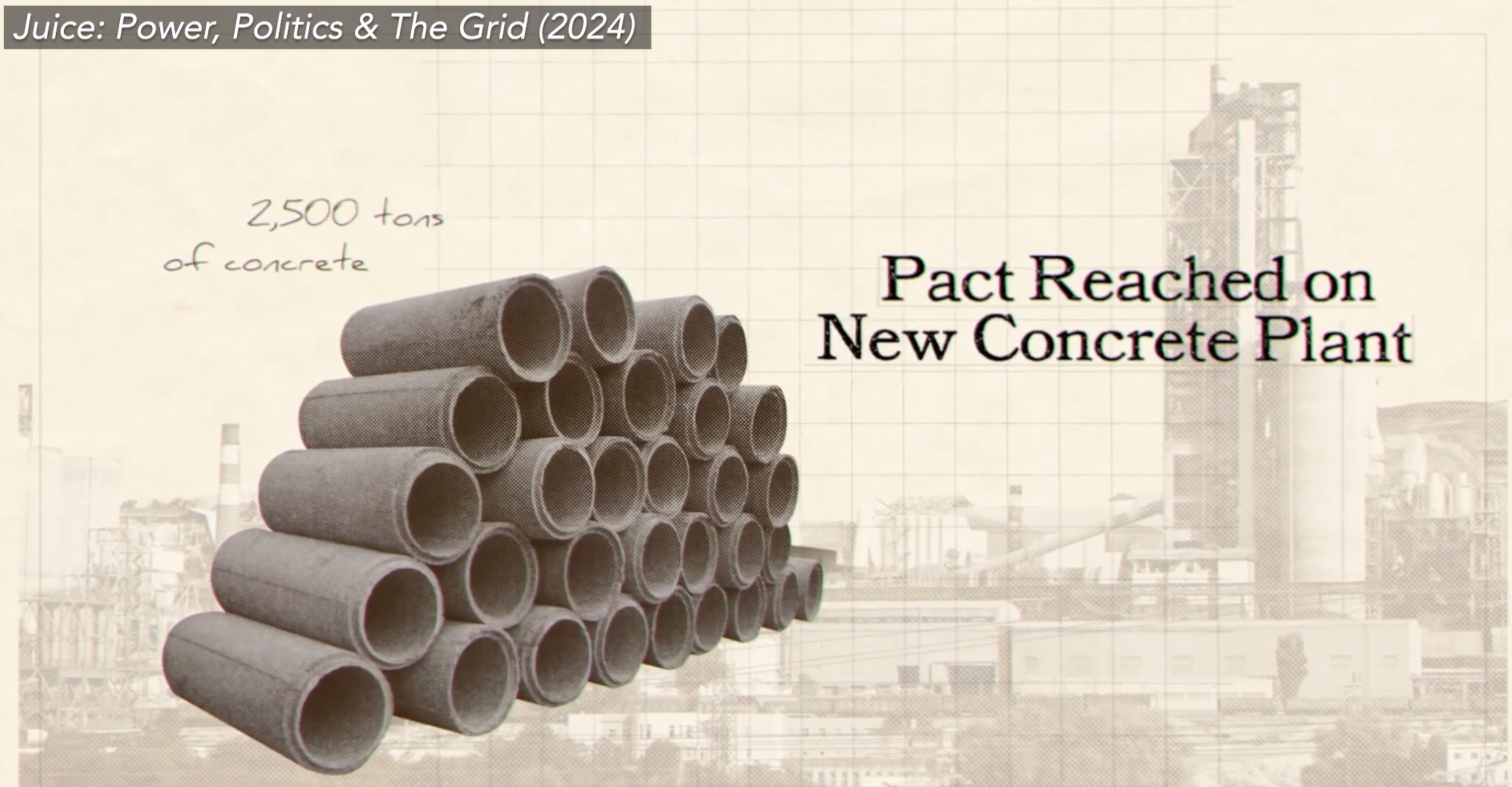

WIND TURBINES – The truth isn’t clean or green.
This was once to be a beautiful lake, now it’s just hundreds of km of toxic sludge … after mining rare earth Neodymium.
A 2 MW wind turbine is made up of:
▪️260 tons of steel requiring
▪️300 tons of iron ore
▪️170 tons of… pic.twitter.com/3cVDKSPNZl— Bernie (@Artemisfornow) January 29, 2025
Eye-opening video exposes the staggering quantity of energy and resources required to build just a single wind turbine.
Imagine believing these eyesores are “saving the planet”. pic.twitter.com/DkvV0x6LIr
— Wide Awake Media (@wideawake_media) June 12, 2025
By Ronald Stein P.E. & Dr. Cleveland M. Jones: Today, a typical EV battery for a Tesla sedan weighs 1,000 pounds and includes these minerals and metals:
- 26 pounds of lithium
- 10 pounds of cobalt
- 110 pounds of nickel
- 9 pounds of manganese
- 55 pounds of copper
- 44 pounds of aluminum
- 154 pounds of graphite
- Plus, steel, plastic, and other metals for the battery casing.
… To manufacture each EV auto battery, you must process 25,000 pounds of brine for lithium, 30,000 pounds of ore for cobalt, 6,000 pounds of ore for nickel, and 25,000 pounds of ore for copper. All told, just one Tesla EV battery requires the processing of more than 500,000 pounds of materials somewhere on the planet.